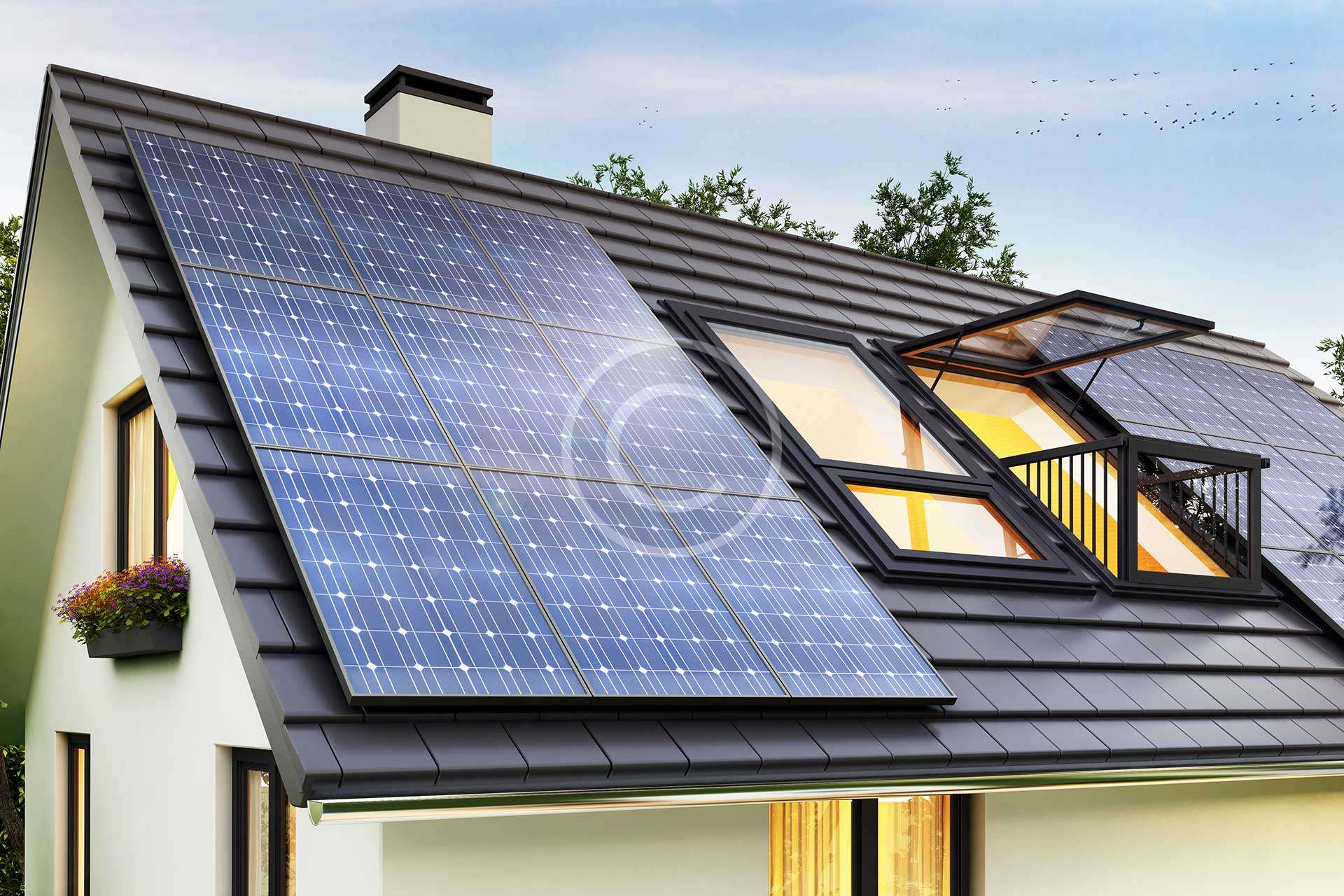
About Our Eco-Friendly Range
At ECOSOM, we design and deliver products that protect the environment, improve health, and strengthen communities. Our eco-friendly solutions are made from locally available, renewable resources and contribute to reducing deforestation, cutting carbon emissions, and supporting livelihoods across Somalia.
Our Products
1. EcoSuper Stoves
Impact: 45,000+ stoves distributed; 88,695 tons CO₂ avoided annually.
What: Fuel-efficient charcoal cookstoves made from locally sourced materials, culturally adapted for Somali households.
Benefits:
Cuts charcoal use by 50–60%.
Saves households up to $12/month in fuel costs.
Reduces indoor air pollution, lowering respiratory illness risk by ~40%.
Creates local manufacturing and distribution jobs (many held by women).
Impact: 200 tons/month produced; target 1,000 tons/month by 2030.
2. Biochar Soil Enhancer
What: Carbon-rich organic soil amendment made from agricultural waste.
Benefits:
Improves soil fertility and water retention.
Boosts crop yields by 30–150%.
Locks carbon in the soil for centuries, supporting climate change mitigation.
3. High-Nutrient Livestock Feed
Impact: 25,000+ tons produced; 70% of distribution managed by women.
What: Sustainable animal feed made from Prosopis pods and agricultural byproducts.
Benefits:
Goats: 80–100% faster weight gain.
Cows: 100–150% higher milk yields.
Camels: 60–100% higher milk yields.
Reliable nutrition during droughts, reducing livestock losses.
Impact: 1,000 kg/month produced; target 5,000 kg/month by 2026.
4. Biochar-Infused Seed Balls
What: Clay-coated seed balls with drought-resistant native tree seeds and ECOSOM biochar for moisture retention.
Benefits:
60–75% germination rate.
Restores 5–10 tons CO₂ per hectare/year.
Suppresses regrowth of invasive Prosopis by 70%.
Why Choose ECOSOM Eco-Friendly Products?
- Locally made with renewable, sustainable materials.
- Designed to address Somalia’s environmental and economic challenges.
- Creates jobs for women and youth.
- Proven impact on climate, health, and livelihoods.